The Future of Tech: Navigating the Rising Price Wave
How the rising prices of technology are shaping the future of the industry and human lives
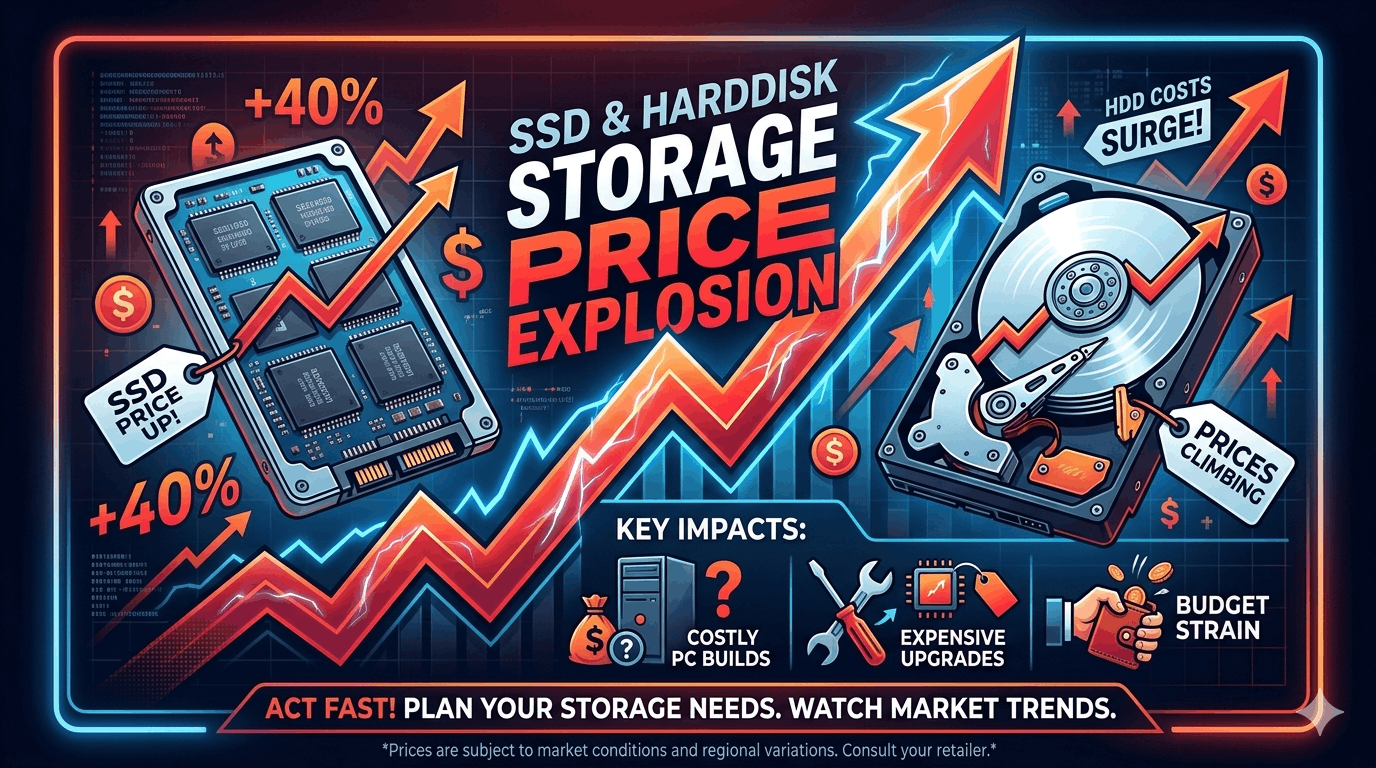
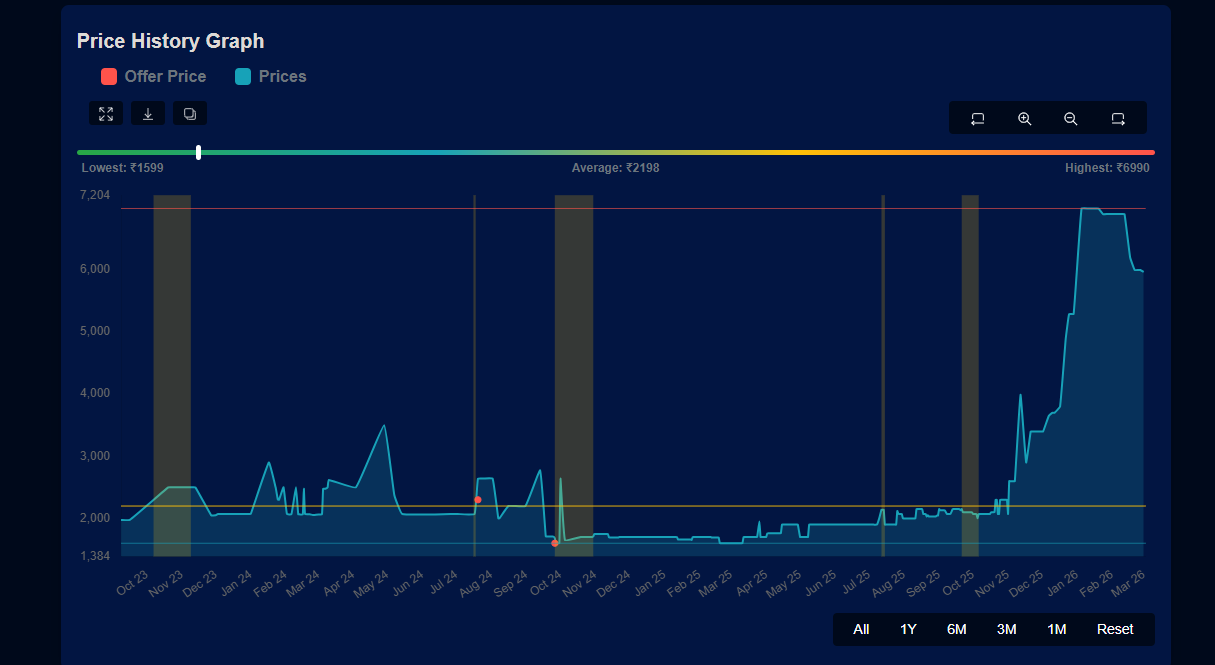
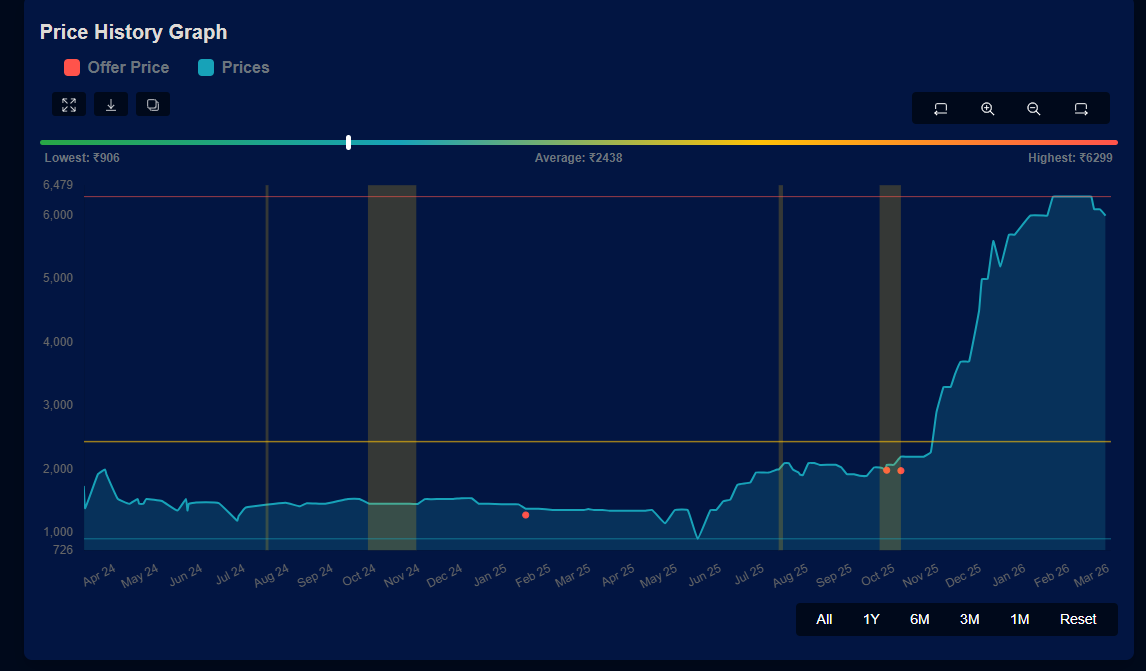
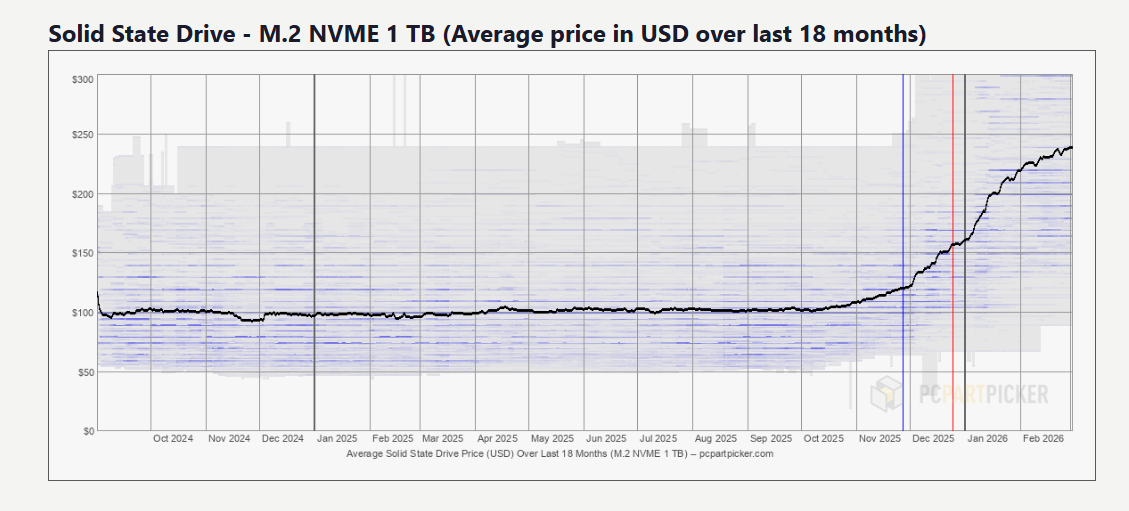
The distance between computers and User is likely to widen, significantly impacting their user experience. Rising prices have forced consumers to avoid them. RAM and SSD prices have seen a significant jump after 2025, with product prices increasing by 50% to 70%. More powerful components appear to depart from the local market due to the AI boom and unstable metal market after 2024, which has thrown everything into uncertainty. This trend is largely due to the rapid growth of AI technology after 2024, which has significantly increased the demand for powerful computing parts. Furthermore, instability in the global metals market impacts production costs. Consequently, manufacturers are prioritizing high-end, AI-capable hardware, reducing mid-range and affordable options. Although similar supply chain disruptions were seen during the COVID-19 pandemic, including a semiconductor shortage, the market did not fully stabilize even after the pandemic ended. Instead, persistent supply chain disruptions and persistent demand created a semiconductor crisis. However, 2026 is expected to see prices rise and semiconductor availability decrease. Without strong regulations, improved supply chains, or stable raw material markets, this trend could further alienate ordinary consumers from modern technology. This crisis is likely to deepen in 2026 or even a few years down the line. Global wars and political turmoil are driving the market toward uncertainty, as demand for semiconductors and chipsets shows no sign of abating. The need for AI chipsets is increasing day by day.
Price Hikes related to Electronic Components
- SSD Prices: Have seen a significant increase due to supply chain disruptions and high demand for AI applications
- RAM Prices: Have also risen sharply, driven by the need for more memory in AI workloads
- GPU Prices: Graphics cards, essential for AI processing, have experienced price surges due to increased demand and limited supply
2019-2022 Market Conditions
Considering this market from 2019 to 2022, demand, sales, and production remained relatively stable in 2019. However, the COVID-19 pandemic in 2020 saw a sharp increase in demand, while production steadily declined. The supply chain became completely unstable as the pandemic drove people to the digital world. Companies began connecting their employees and customers to it. Work from home and the internet experienced rapid growth during this period. As people became more reliant on the internet, mobile phones, and computers for everyday tasks—from cloud storage and online food ordering and studying .demand for digital infrastructure increased. In response, companies began upgrading their systems to support work-from-home and remote working. This shift significantly increased demand for computer components and semiconductors in the market. Because the initial phase of the pandemic caused significant disruptions to supply chains and production. Unable to meet the growing demand, component prices rose sharply between 2019 and 2022, with semiconductor and chip set prices increasing by approximately 40%.
2023 Mode of Market
This was a period of improved supply chain and production. Prices then began to fall sharply as digital needs were nearly met by the end of 2022. Following this, demand for computer components declined slightly in 2023. However, this decline was not due to a lack of demand, as companies rapidly increased their production, leading to an oversupply of parts in the market. Demand increased slightly in late 2023, but the entire year saw a decline of 8%. In late 2023, the i-boom began, with many companies beginning to build their own AI setups and prototypes, the effects of which were seen in 2024 and 2026.
2024 to 2026 Rocket boom in Market
After 2024, the AI Market boomed, and large companies began infrastructure their own servers and processing units. Companies like Microsoft and Google, Meta, openAI ,began building large data centers. This required a large number of electronic components, and these large companies struck deals with several semiconductor manufacturers. These companies then focused on AI chipset production, significantly reducing component production for smaller markets and devoting more metal material and production power to these large companies’ specific tasks. Production began in 2024, leading to an 18% increase in the electronics market. In 2025, AI technology advanced even faster, requiring more powerful hardware. Many companies shifted their focus to supplying AI components to larger companies and completely shut down their smaller production facilities, significantly disrupting the supply chain. However, in some cases, increasing market volatility and political unrest around the world also contributed significantly to this. Countries like China tried to expand their component production, but later China began focusing on its AI infrastructure and decided to shift all its power and production capacity to AI. This is why we’re seeing high demand for many electronics components in the market today.
Market Trend Analysis
The market is currently in a state of flux, with prices rising sharply and supply chains disrupted. The demand for AI technology continues to grow, but the supply of components is struggling to keep up. This has led to a situation where prices are rising rapidly, and many consumers are finding it difficult to afford the latest technology. The market is likely to continue to be volatile in the coming years, with prices potentially rising even further as demand for AI technology continues to grow. discussion about the future of the market and potential solutions to the current crisis. Some experts suggest that increased investment in semiconductor manufacturing and supply chain improvements could help stabilize prices. Others argue that government intervention may be necessary to ensure that technology remains accessible to consumers. Additionally, there is a growing call for more sustainable practices in the tech industry, as the demand for powerful hardware continues to drive up prices and contribute to environmental concerns.
Price Increase %
- RAM (DDR4/DDR5) |████████████████████████████████████████| 400%
- SSDs |██████████ | 100%
- High-End GPUs |███ | 30%
- Some Components |██ | 18%
- Overall PC Cost |█ | 6%
draw a graph showing the price increase of different components over time, with RAM showing the highest increase, followed by SSDs and high-end GPUs. The overall PC cost has also increased but at a much lower rate compared to individual components. This graph visually represents the significant impact of the AI boom and supply chain disruptions on the technology market.
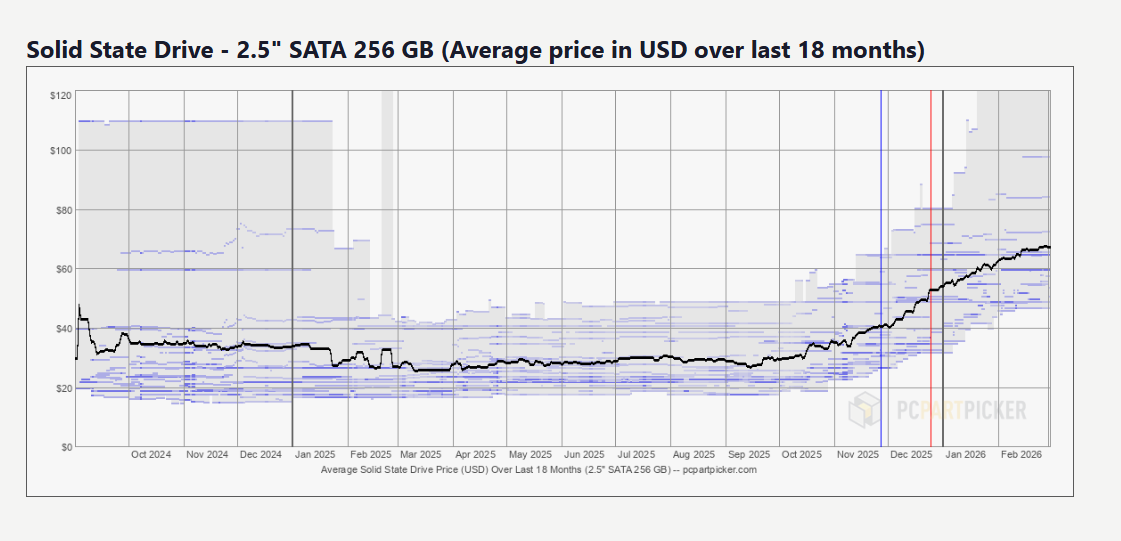 View Graph
 Graph Report